


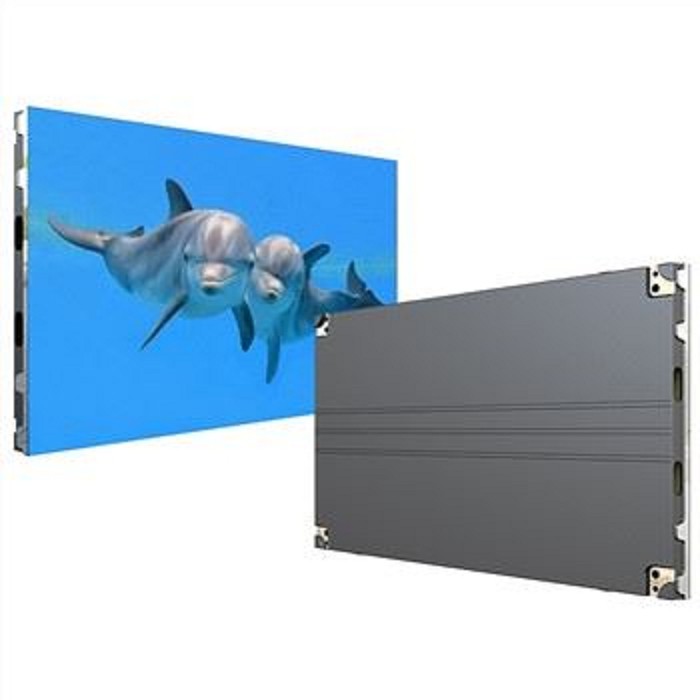
Indoor Digital Sign
An indoor digital sign is a display device used to convey information, advertisements, or wayfinding details within interior spaces. These signs utilize technologies like LCD, LED, or projection to present content dynamically. They are often found in retail stores, corporate offices, hotels, airports, and other public venues. Indoor digital signs offer the advantage of easy content updates, customization for different audiences, and the ability to incorporate multimedia elements to enhance engagement.
Product Introduction
What Is Indoor Digital Sign
An indoor digital sign is a display device used to convey information, advertisements, or wayfinding details within interior spaces. These signs utilize technologies like LCD, LED, or projection to present content dynamically. They are often found in retail stores, corporate offices, hotels, airports, and other public venues. Indoor digital signs offer the advantage of easy content updates, customization for different audiences, and the ability to incorporate multimedia elements to enhance engagement.
Advantages of Indoor Digital Sign
Dynamic content and real-time updates
Indoor digital signs allow for the display of dynamic content, including videos, animations, scrolling text, and even real-time data. This means that businesses can easily update their messaging to reflect current promotions, events, or even weather conditions. The ability to change content instantly gives businesses a competitive edge and allows them to capitalize on opportunities that arise throughout the day.
High visibility and engagement
With their bright displays and crisp graphics, indoor digital signs are highly visible and engage customers at close range. This visibility ensures that customers are drawn to the signage and are more likely to interact with it, whether it's to learn about a new product, find store information, or simply be entertained.
Customizable and versatile
Indoor digital signs can be customized to fit any space and any business's needs. Whether you need a sign for a specific wall, a countertop display, or a digital menu board, indoor digital signs can be tailored to meet your specific requirements. Their versatility allows them to be used for a wide range of applications, including advertising, branding, product promotion, and wayfinding.
Enhanced customer experience
Indoor digital signs can be used to create a more engaging and immersive customer experience. Whether it's through interactive features like touchscreens or augmented reality, or through dynamic content that provides valuable information and entertainment, indoor digital signs can enhance the customer's visit and make it more memorable.
Easy installation and maintenance
Many indoor digital signs are designed for easy installation, often with a simple plug-and-play setup. This reduces the need for specialized tools or skilled labor, saving time and money on installation costs. Maintenance is also simplified, as many signs come with built-in features like auto-brightness adjustment and self-diagnostic tools that help keep them running smoothly.
Integration with other technologies
Indoor digital signs can be seamlessly integrated with other technologies, such as mobile devices, social media, and even smart home systems. This integration allows businesses to create a connected customer journey that spans across multiple touchpoints, enhancing brand engagement and loyalty.

Why Choose Us
High quality
Our products are manufactured or executed to a very high standard, using the finest materials and manufacturing processes.
Competitive price
We offering a higher-quality product or service at an equivalent price. As a result we have a growing and loyal customer base.
Professional team
Our professional team collaborates and communicates effectively with each other, and is dedicated to delivering high quality results. We are capable of handling complex challenges and projects that require our specialized expertise and experience.
Advanced equipment
A machine, tool or instrument designed with advanced technology and functionality to perform highly specific tasks with greater precision, efficiency and reliability.
Quality control
We have built a professional quality control team to accurately inspect every raw material and every production process.
24H online service
We try and respond to all concerns within 24 hours and our teams are always at your disposal in case of any emergencies.
Types of Indoor Digital Sign
Lcd (liquid crystal display) screens
Lcd screens are one of the most popular types of indoor digital signs due to their high resolution and energy efficiency. They are commonly used in retail environments, corporate offices, and public spaces to display information, advertisements, and multimedia content. Lcd screens come in various sizes and shapes, making them versatile for different indoor applications.
Led (light emitting diode) displays
Led displays are another popular type of indoor digital sign, known for their brightness and vibrant colors. They are commonly used in areas with high ambient light, such as shopping malls, airports, and stadiums. Led displays come in various pixel pitches, allowing for different levels of detail and depending on the application.
Projection screens
Projection screens are used to display digital content through projectors. They are commonly used in conference rooms, classrooms, and auditoriums for presentations and large-scale viewing. Projection screens can be either fixed or portable, depending on the needs of the user.
Touchscreen displays
Touchscreen displays allow users to interact with digital content through physical touch. They are commonly used in retail environments, corporate offices, and public spaces to provide interactive experiences such as product information, wayfinding, and self-service kiosks. Touchscreen displays come in various sizes and configurations, including standalone units and integrated systems.
Video walls
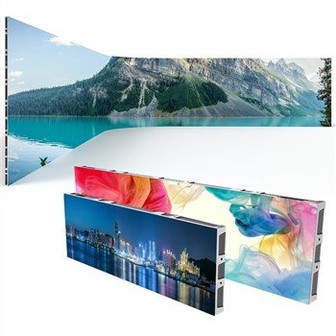
Video walls are made up of multiple display screens tiled together to create a large, seamless display. They are commonly used in corporate lobbies, retail stores, and public spaces to create immersive visual experiences and attract attention. Video walls can be customized in terms of size, shape, and resolution depending on the needs of the user.
Tabletop displays
Tabletop displays are small, compact digital signs that sit on tables or countertops. They are commonly used in restaurants, hotels, and retail stores to display menus, promotions, and other information. Tabletop displays come in various sizes and shapes, making them versatile for different indoor applications.
How to Store Indoor Digital Sign
Clean the sign before storage
Wipe down the screen with a soft, microfiber cloth to remove any dust or fingerprints. If needed, use a mild screen cleaner specifically designed for electronic displays. Avoid using harsh chemicals that could damage the screen's coating.
Wrap the sign for protection
Use a protective cover or wrap, such as a soft cloth or bubble wrap, to cover the screen. This layer of protection shields the display from dust, scratches, and potential impacts. For extra security, you can place the wrapped sign in a sturdy cardboard box or storage container.
Label the box
Clearly label the storage container with the contents and any relevant dates, such as the last time the sign was used or when it should be inspected again. This makes it easier to identify the contents and track the sign's storage history.
Disconnect all power supplies
Unplug the digital sign from its power source and any attached computers or media players. This reduces the risk of electrical damage or fire hazards during storage.
Remove any attached accessories
Detach any cables, remotes, or mounting brackets that are not part of the sign itself. Store these accessories separately in protective bags or cases to prevent scratches or loss.
Store in a dry environment
Choose a storage area that is free from humidity and excess moisture. High humidity levels can cause condensation, leading to corrosion and damage to electronic components.
Avoid extreme temperatures
Store the digital sign in an environment with moderate temperature fluctuations. Excessive heat or cold can affect the internal components and shorten the lifespan of the device.
Secure the storage area
Ensure that the storage area is safe from physical disturbances such as falls or impacts. Use shelves or racks that are stable and capable of supporting the weight of the digital sign and its packaging.
Regular inspections
Even if the digital sign is in storage, it's important to perform regular inspections to check for any signs of damage or deterioration. This proactive approach helps to address any issues before they become major problems.
Application of Indoor Digital Sign


Advertising and promotions
Led signs play a pivotal role in advertising. Retailers use them to display eye-catching promotions, special offers, and new product launches. The bright, vibrant colors and ability to change content frequently make Led signs ideal for capturing the attention of potential customers.
Public information displays
In transportation hubs like airports, bus stations, and train stations, Led signs are used to provide real-time information to travelers. This includes flight schedules, gate changes, arrival and departure times, and safety announcements. The signs are easily updated, ensuring that passengers receive the most current information.
Corporate branding
Companies often use Led signs for branding purposes. These signs can be placed at corporate headquarters, branch offices, or events to reinforce brand identity. They can display logos, slogans, and mission statements, helping to build brand recognition and awareness.
Event venues
Concert halls, sports arenas, and conference centers use Led signs for event promotion and information dissemination. During events, the signs can display the names of performers, scores, and game statistics. They also provide wayfinding information, guiding attendees to seating areas, restrooms, and exits.
Digital menu boards
Restaurants and fast food chains employ Led signs to display menus, prices, and nutritional information. Digital menu boards can be easily updated to reflect daily specials or price changes, offering a more dynamic and engaging presentation compared to static signs.
Education and institutional use
Schools and universities use Led signs for announcements, event listings, and emergency notifications. They can also display welcome messages to visitors and provide directions to various campus facilities.
Traffic management
Led signs are used in traffic management systems to provide drivers with information about road conditions, speed limits, and travel advisories. They can also be used for dynamic message signs on highways, displaying amber alerts or other critical public safety information.
Healthcare facilities
Hospitals and clinics use Led signs for patient information, wayfinding, and health advisories. They can display waiting times for specific departments, provide directions to different wings of the facility, and communicate important health messages to patients and visitors.
Precautions When Using Indoor Digital Sign

Environmental conditions
Ensure that the digital sign is placed in an environment that is conducive to its operation. This means avoiding extremes of temperature, direct sunlight, excessive dust, and humidity which can damage both the hardware and the display quality.
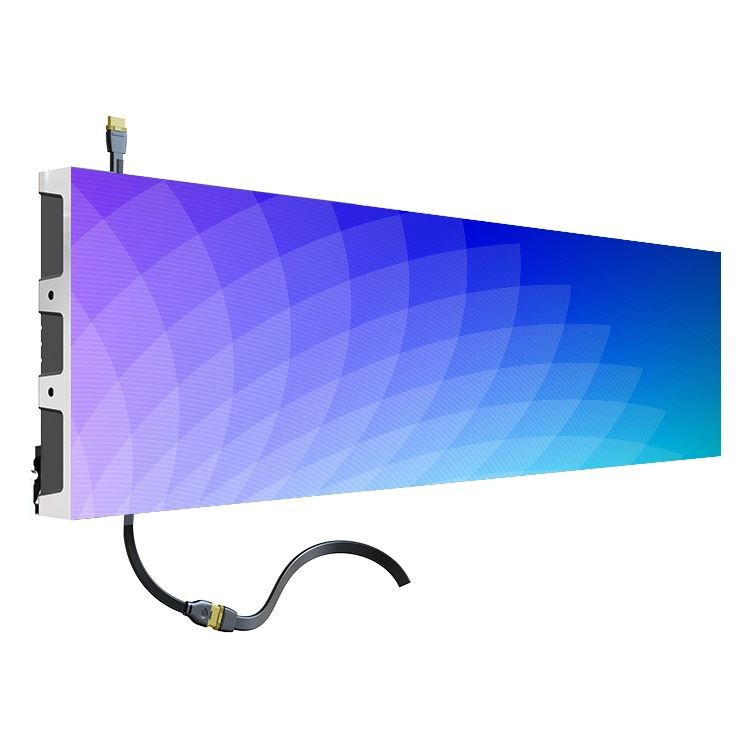
Mounting security
If the digital sign is mounted on a wall or ceiling, ensure that the mounting system is robust and capable of supporting the weight of the sign. Regularly inspect the mounts for signs of wear or damage, especially after any seismic activity or heavy impacts to the building structure.
Content management
Regularly update the content on the digital sign to keep it relevant and engaging. However, avoid rapid changes that might confuse viewers or cause eye strain. Also, ensure that the content adheres to any relevant legal and ethical standards, including intellectual property rights and privacy concerns.

Viewing distance and angle
Consider the distance from which people will be viewing the digital sign and adjust the screen resolution and font size accordingly to ensure readability. Additionally, position the sign at an angle that is comfortable for viewers to reduce glare and reflections.
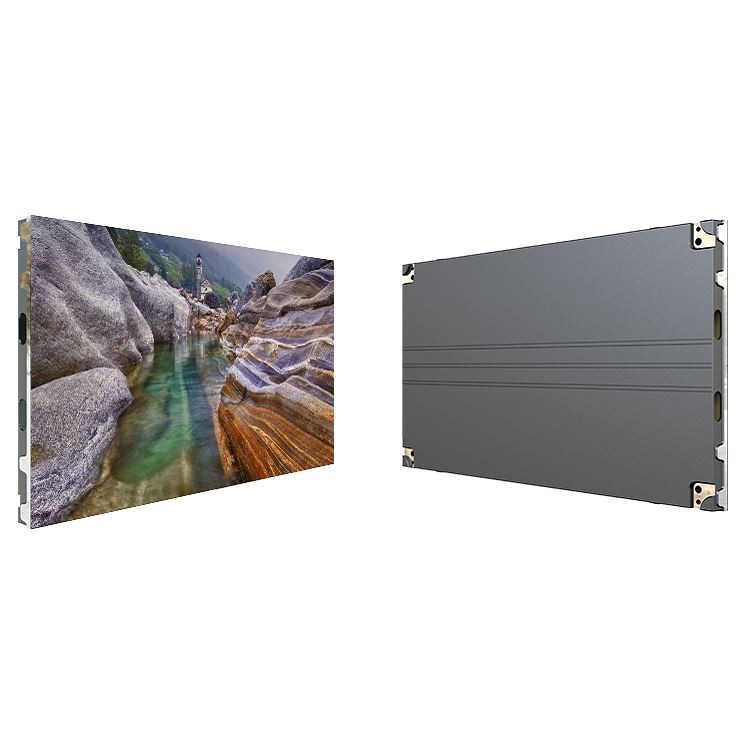
Maintenance schedule
Establish a routine maintenance schedule to clean the screen and check for any software updates or technical issues. This proactive approach can help identify and resolve potential problems before they escalate into costly repairs or replacements.

Aesthetic integration
Ensure that the digital sign complements the surrounding environment in terms of design, color scheme, and lighting. This integration can enhance the overall visual appeal and effectiveness of the sign.
How Do I Choose the Right Indoor Digital Sign
Define your purpose
Determine the primary objective of the digital sign. Whether it's for advertising, wayfinding, employee communication, or entertainment, your purpose will influence the type of content displayed and the features required in a digital sign.
Assess your audience
Understand who will be viewing the digital sign and what they expect to see. Different audiences may require varying levels of detail, types of content, and interaction. For example, a corporate audience might appreciate data-driven content, whereas a retail audience might prefer dynamic graphics and special offers.
Consider screen size and resolution
The size of the digital sign should be appropriate for the viewing distance and space where it will be located. Higher resolutions offer sharper images and are ideal for spaces with close viewing distances. Conversely, larger screens with lower resolutions may suffice for long viewing distances.
Evaluate display technology
There are various display technologies available, including lcd, led, oled, and projection. Each technology has its strengths and weaknesses in terms of brightness, contrast, energy efficiency, and viewing angles. Choose the technology that best fits your environment and budget.
Determine hardware specifications
Select a digital sign with sufficient processing power and memory to handle the demands of your content. Ensure that the hardware supports the necessary inputs and outputs for connectivity, such as hdmi, usb, wifi, and bluetooth.
Software and content management
Choose a digital signage software that is user-friendly and allows you to easily create and manage content. Look for features like scheduling, template creation, and compatibility with various file types. Also, consider whether the software requires a subscription fee or if it's a one-time purchase.
Integration with other systems
If you plan to integrate the digital sign with other systems, such as cms, crm, or pos, ensure that the digital signage solution supports seamless integration. This will enable you to automate content updates and synchronize data across different platforms.
Installation and support
Consider the ease of installation and availability of technical support for the digital sign. Some manufacturers offer professional installation services and comprehensive support plans to ensure that your sign is properly installed and functioning smoothly.
Prototyping
After the design is complete, a prototype is created to test the functionality and performance of the digital sign. This allows engineers to identify any issues with the design and make necessary adjustments before full-scale production begins.
Fabrication
Once the design is finalized and approved, the digital sign is fabricated using a combination of mechanical and electronic components. The display panel is assembled, and the necessary electronics (such as a processor, memory, and input/output ports) are installed. The sign may also include additional features, such as touchscreens or speakers, depending on the intended use.
Quality control
Throughout the fabrication process, quality control measures are implemented to ensure that each component meets the required specifications. This includes testing the display panel for brightness, contrast, and color accuracy, as well as verifying the functionality of the electronics and any additional features. Any defective components are replaced or repaired before the sign is moved to the next stage of production.
Assembly
After the individual components have been fabricated and tested, they are assembled into a complete digital sign. This involves attaching the display panel to a frame or enclosure, connecting the electronics, and installing any additional features. The assembly process must be precise to ensure that the sign is properly aligned and functions correctly.
Testing and validation
Once the digital sign is fully assembled, it undergoes a series of tests to validate its performance and functionality. This includes testing the display quality, audio output, touchscreen responsiveness (if applicable), and input/output capabilities. Any issues identified during this phase are addressed before the sign is shipped to the customer.
What Are the Components of Indoor Digital Sign
The display panel is the primary component of an indoor digital sign, responsible for visually presenting the content. It can be made using various technologies, such as lcd, led, oled, or projection. The choice of technology will depend on factors such as brightness, contrast, energy efficiency, and viewing angles.
The mounting system holds the display panel in place and ensures that it is securely attached to the wall or other surface. There are various types of mounting systems available, including fixed mounts, tilt mounts, articulating mounts, and ceiling mounts. The choice of mounting system will depend on the specific needs and preferences of the user.
The media player is a computer or device that stores and processes the digital content displayed on the sign. It sends the content to the display panel via a wired or wireless connection. Media players can be dedicated devices or embedded within the display panel itself. They typically support a wide range of file formats and can handle various types of content, such as images, videos, animations, and interactive elements.
Digital signage software is used to create, manage, and schedule the content displayed on the sign. It allows users to design custom templates, upload media files, and set up playlists. The software can also be used to control the timing and sequence of content presentation, as well as monitor the performance of the digital sign. Some digital signage software solutions offer additional features such as analytics, remote management, and integration with other systems.
Connectivity refers to the ability of the digital sign to communicate with other devices and systems. It typically includes wired connections such as hdmi, usb, ethernet, and wifi. Wired connections provide reliable and consistent performance, while wireless connections offer flexibility and convenience. The choice of connectivity options will depend on the specific needs and infrastructure of the user.
The power supply provides electrical energy to the display panel and media player. It is essential for the operation of the digital sign. The power supply should be compatible with the voltage and current requirements of the display panel and media player, and should be able to provide stable and consistent power.
What Are the Different Sizes Available for an Indoor Digital Sign?
Small size (up to 32 inches)
Small-sized digital signs are ideal for close proximity viewing and limited space applications. They are commonly used in retail settings for product promotions, point-of-sale displays, or in corporate environments for internal communication. These signs typically measure between 15 to 32 inches diagonally.
Medium size (32 to 65 inches)
Medium-sized digital signs offer a balance between visibility and space requirements. They are suitable for a range of uses, including meeting rooms, lobbies, and small auditoriums. These signs usually measure between 32 to 65 inches diagonally and can effectively engage viewers within a moderate distance.
Large size (65 to 86 inches)
Large digital signs are designed for spaces where viewers need to see the content from a greater distance, such as in large lobbies, conference rooms, or public areas. They provide excellent visibility and are often used to display dynamic content like videos, animations, and interactive elements. These signs typically measure between 65 to 86 inches diagonally.
Extra-large size (over 86 inches)
Extra-large digital signs are used in situations where the content needs to be seen from a significant distance, such as in large halls, stadiums, or shopping centers. These signs can measure over 86 inches diagonally and often consist of multiple screens arranged together to form a video wall. They deliver a high-impact visual experience and are ideal for attracting attention and conveying complex messages.
Yes, an indoor digital sign can indeed be integrated with other systems or devices. In fact, integrating digital signs with other systems can enhance their functionality and make them more effective in delivering targeted information to specific audiences. One of the most common integrations is with a Content Management System (CMS). A CMS allows users to easily create, manage, and schedule content for their digital signs. By integrating a digital sign with a CMS, users can update and change the content on their signs remotely, without having to physically access the sign itself. This makes it easier to keep the content fresh and relevant. Integrating digital signs with data analytics tools can provide valuable insights into how viewers interact with the content on the signs. For example, analytics tools can track the number of views, the duration of views, and even the demographics of the viewers. This information can then be used to optimize the content on the digital sign to better engage the target audience. Digital signs can also be integrated with social media platforms such as Twitter, Facebook, and Instagram. This integration allows users to display real-time social media feeds on their digital signs, which can help to create a more engaging and interactive experience for viewers. Additionally, users can also use social media to promote their digital signs and drive more traffic to their location. Digital signs can be integrated with interactive devices such as touchscreens, motion sensors, and voice recognition systems. These integrations allow viewers to interact with the content on the digital sign, which can help to increase engagement and make the experience more immersive. For example, a touchscreen-enabled digital sign could allow viewers to browse through products or services, while a motion sensor-enabled sign could display targeted content based on the viewer's movements. Digital signs can also be integrated with other systems such as building management systems, security systems, and weather information systems. For example, a digital sign in a corporate office could display real-time weather information or security alerts, while a digital sign in a retail store could display information about current promotions or sales.
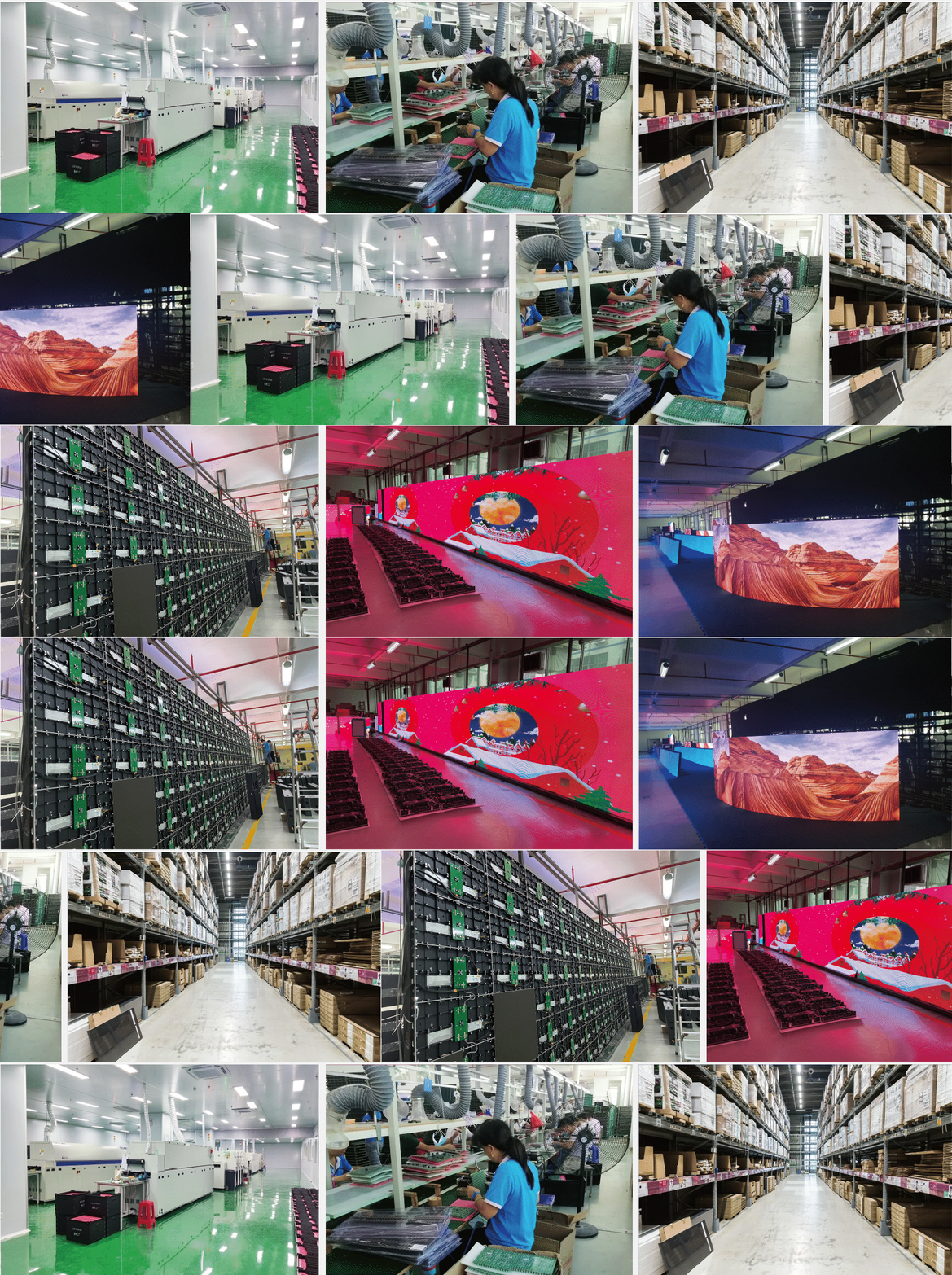
Our Factory
Shenzhen Leder Electronics Technology Co., Ltd. is located in the core area of Shenzhen's development strategy center Huixin Intelligent Industrial Park, Guangming New District, Shenzhen. Leder company is specializing in the Led display R&D, sales, engineering, which is one of the most advanced professional manufacturers of Led big screen display systems in China. Leder now have formed a marketing platform based on domestic channel expansion and foreign direct sales and agency. Leder has more than 8,000 square meters of modern electronic processing workshops, screen assembly, debugging and aging workshops, and has formed an annual production capacity of 8,000-10,000 square meters of various specifications of Led displays. It can provide customers with production, installation, and debugging. Training and after-sales maintenance "one-stop service".
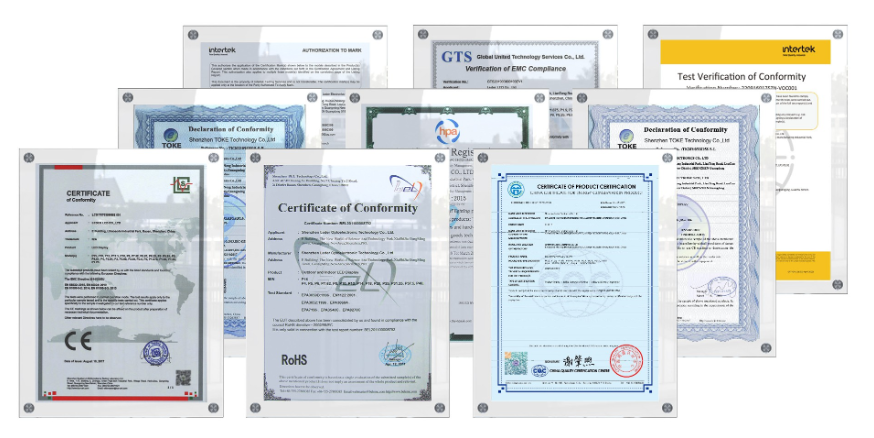
certificate
FAQ
| Item | P0.9 | P1.25 | P1.56 | P1.875 | P2.5 |
| Pixel Pitch | 0.9375mm | 1.25mm | 1.5625mm | 1.875mm | 2.5mm |
| LED Type | MINI LED | SMD1010 | SMD1212 | SMD1515 | SMD2020 |
| Module Resolution | 320 × 180dots | 240 × 135dots | 192 × 108dots | 160 × 90dots | 120 × 68dots |
| Driving Mode | 1/60scan | 1/45scan | 1/36scan | 1/45scan | 1/32scan |
| Module Pixels | 57,600dots | 32,400dots | 20,736dots | 14,400dots | 8160dots |
| Module Size | 300 × 168.75mm | 300 × 168.75mm | 300 × 168.75mm | 300 × 168.75mm | 300 × 168.75mm |
| Cabinet Size | 600mm × 337.5mm × 30mm | ||||
| Cabinet Resolution | 640 × 360dots | 480d × 270dots | 384 × 216dots | 320 × 180dots | 240 × 135dots |
| Pixel Density | 1,137,777dots/㎡ | 640,000dots/㎡ | 409,600dots/㎡ | 284,444dots/㎡ | 160,000dots/㎡ |
| Best Viewing Distance | ≥0.9 m | ≥1.2 m | ≥1.5 m | ≥1.8 m | ≥2.5 m |
| Brightness | 350nits | 400nits | 500nits | 800nits | |
| IP Grade | IP43 | ||||
| Refresh Rate | 1,920Hz~3,840Hz(depends on IC driver solution) | ||||
| Gray Scale | 14bits~22bits(depends on IC driver and controller solution ) | ||||
| Viewing Angle | H:150° / V:150° | H:110° / V:110° | |||
| Maximum Power Consumption | 400W/㎡ | 320W/㎡ | 400W/㎡ | 350W/㎡ | |
| Average Power Consumption | 130W/㎡ | 105W/㎡ | 130W/㎡ | 110W/㎡ | |
| Input Voltage | AC110V~AC220V @ 50Hz / 60Hz | ||||
| Operating Temperature | ﹣20℃~50℃ | ||||
| Operating Humidity | 10%~90% | ||||
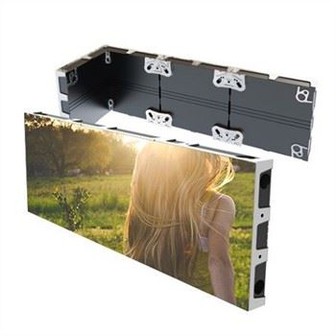
| Cabinet Material | Die-casting Aluminum | ||||
| Cabinet Weight | 3.8kg/panel | ||||
| Operating System | Windows (Win7, Win10, etc.) | ||||
| Signal Source Compatibility | DVI, HDMI1.3, DP1.2, SDI, HDMI2.0, etc. | ||||
Hot Tags: indoor digital sign, China indoor digital sign manufacturers, suppliers, led tv 32 inch panel price, Electronic Billboard Cost, football ground signs, led monitor 4k, dooh technology, Mobile LED Screen Hire
You Might Also Like

Send Inquiry
