


Digital Out Of Home Led Screens
Unlike static billboards or print advertisements, digital out-of-home LED screens can display dynamic and engaging content. Whether it's videos, animations, or real-time data, these screens can be updated instantly to reflect the latest messages, offers, or events. This flexibility allows advertisers to capitalize on current trends and capitalize on impulse buying opportunities.
Product Introduction
What Are Digital Out of Home LED Screens
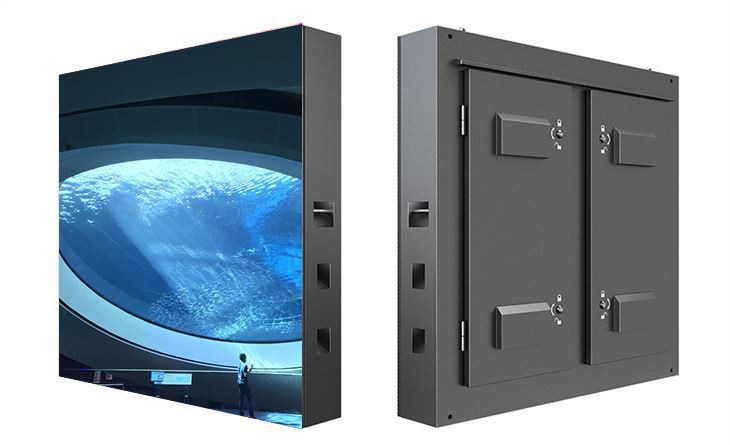
Digital Out of Home (DOOH) LED screens refer to large digital displays strategically placed in public spaces to reach consumers outside of their homes. These screens utilize LED technology to showcase high-resolution advertisements, informational content, and interactive media, capturing audience attention through vivid colors and dynamic visuals. DOOH LED screens are integral to modern marketing strategies due to their ability to engage passersby with targeted and timely messaging, offering brands an immersive platform to connect with potential customers. With advancements in screen resolution and interactive capabilities, DOOH LED screens continue to evolve, providing a versatile and powerful medium for out-of-home advertising.
Advantages of Digital Out of Home LED Screens
Dynamic content
Unlike static billboards or print advertisements, digital out-of-home LED screens can display dynamic and engaging content. Whether it's videos, animations, or real-time data, these screens can be updated instantly to reflect the latest messages, offers, or events. This flexibility allows advertisers to capitalize on current trends and capitalize on impulse buying opportunities.
Real-time interactivity
Dooh LED screens can be integrated with sensors and other technologies to create interactive experiences for viewers. For example, screens can be programmed to respond to viewer actions or environmental changes, such as weather or traffic patterns. This real-time interactivity not only grabs the attention of passersby but also creates a more engaging and memorable experience.
Targeting and measurement
Digital out-of-home LED screens offer precise targeting capabilities, allowing advertisers to reach their desired audience based on location, time, and demographic data. Additionally, these screens can be equipped with tracking and analytics tools to measure the effectiveness of campaigns in real-time. This data-driven approach allows advertisers to optimize their strategies and maximize their investment.
Brand alignment and customization
Dooh LED screens can be customized to fit specific branding and design requirements. Whether it's matching the color scheme or incorporating a company logo, these screens can be tailored to reflect the unique identity of any brand. This alignment helps build brand recognition and consistency across various marketing channels.
Weather resistance and durability
LED screens are designed to withstand extreme weather conditions, making them ideal for outdoor use. Whether it's rain, snow, or high temperatures, these screens continue to operate seamlessly, ensuring that your message is always visible and accessible.
Scalability and modular design
Digital out-of-home LED screens are often designed with scalability and modularity, allowing for easy expansion or reduction in size based on specific needs. This scalability is particularly useful for advertisers who may need to adjust their display size over time as their campaigns evolve or their target audience changes.


Why Choose Us
High quality
Our products are manufactured or executed to a very high standard, using the finest materials and manufacturing processes.
Competitive price
We offering a higher-quality product or service at an equivalent price. As a result we have a growing and loyal customer base.
Professional team
Our professional team collaborates and communicates effectively with each other, and is dedicated to delivering high quality results. We are capable of handling complex challenges and projects that require our specialized expertise and experience.
Advanced equipment
A machine, tool or instrument designed with advanced technology and functionality to perform highly specific tasks with greater precision, efficiency and reliability.
Quality control
We have built a professional quality control team to accurately inspect every raw material and every production process.
24H online service
We try and respond to all concerns within 24 hours and our teams are always at your disposal in case of any emergencies.
Types of Digital Out of Home LED Screens
Billboards
These are the largest type of outdoor LED screens, often seen along major roadsides and in city centers. They are designed to be visible from a distance and can display high-resolution videos and images.
Transit advertising displays
Found in buses, trains, taxis, and at transit stations, these screens are used for advertising and providing travel information. They are usually smaller than billboards but still highly visible.
Mall kiosks
Located in shopping malls and other retail environments, these screens display advertisements and promotional content. They are often interactive, allowing customers to engage with the content.
Street furniture
This category includes LED screens integrated into street furniture such as bus stops, phone booths, and benches. They provide both advertising space and functional information.
Mobile LED trucks
These are large LED screens mounted on trucks that can move around to different locations. They are commonly used for mobile advertising and events.
Digital signage
This refers to any type of digital screen used for signage purposes, including menu boards in restaurants, information displays in hotels, and wayfinding screens in airports and malls.
Video walls
These are made up of multiple LED screens arranged together to form a large, seamless display. They are often used in corporate lobbies, concert venues, and sports stadiums.
Interactive LED screens
These screens allow users to interact with the content using touchscreens or motion sensors. They are commonly found in museums, exhibitions, and trade shows.
Projection screens
Although not strictly LED screens, projection screens can be considered part of the dooh ecosystem. They are used for projecting digital content onto larger surfaces in outdoor spaces.
How to Store Digital Out of Home LED Screens
Environmental control
Store LED screens in environments with controlLED temperature and humidity levels. Extreme temperatures can cause condensation, which may damage sensitive electronic components. Ideal storage conditions are typically around 20-25°c (68-77°f) with relative humidity between 30%-60%. Avoid storing screens in direct sunlight or near heat sources like radiators or air conditioning vents.
Cleanliness
Before storing, clean the LED screens gently with a soft, dry cloth to remove any dust or dirt. Dust can accumulate and cause scratches or interfere with the display's performance when the screens are powered on again. For tougher stains, use a mild detergent mixed with water and apply it with a microfiber cloth, being careful not to get any liquid inside the casing.
Anti-static measures
Use anti-static bags or covers to store the screens. Electrostatic discharge can damage electronic components, so these bags help prevent static buildup during storage.
Packaging
Pack the screens carefully using bubble wrap or foam padding to prevent any physical shocks or pressure that could cause damage. Ensure that all cables and accessories are properly labeLED and stored in separate protective packaging to avoid tangling and potential breakage.
Orientation
If possible, store the LED screens in their original orientation to prevent any strain on the mounting brackets or internal components. If this isn't feasible, make sure that the screens are laid flat or supported adequately to distribute weight evenly.
Vertical storage
If vertical storage is necessary, use sturdy racks or shelves capable of supporting the weight of the screens without tipping over. Secure the screens upright with straps or other restraints to prevent them from falling.
Accessibility
Organize the storage area to ensure that frequently used screens are easily accessible. This minimizes handling and potential damage when retrieving screens for deployment.
Regular inspection
Even when stored, it's important to inspect the LED screens periodically. Check for any signs of condensation, mold, or damage. Power on the screens occasionally to test their functionality and ensure all pixels are working correctly.
Application of Digital Out of Home LED Screens


Advertising
The most common application of dooh LED screens is in advertising. Brands use these screens to display high-impact, visually appealing ads in strategic locations with high foot traffic, such as shopping malls, airports, train stations, and along busy streets. These screens offer real-time updates and interactivity, enabling advertisers to engage with their audience in innovative ways, such as through live streams, interactive games, or qr codes that encourage user engagement.
Information dissemination
Dooh LED screens are also widely used for sharing public information. Governments and organizations use these screens to disseminate important announcements, weather updates, news bulletins, and emergency alerts. These screens can be placed in public spaces such as parks, squares, and transport hubs to ensure that the information reaches a broad audience.
Wayfinding
In large complexes such as airports, shopping malls, and hospitals, dooh LED screens can be used for wayfinding purposes. These screens provide directions, maps, and other navigational information to help people find their way around these spaces. Interactive wayfinding systems can even allow users to input their destination and receive customized directions.
Public art
Dooh LED screens can also serve as a platform for public art. Artists and creatives can use these screens to display their work in public spaces, making art accessible to a wider audience. This application can transform urban spaces into interactive galleries and bring art to life in new and exciting ways.
Event promotion
Dooh LED screens are commonly used to promote upcoming events. Organizers can display event posters, schedules, and ticket information on these screens in strategic locations to attract attendees. Interactive features such as qr codes or social media integrations can encourage people to share the event with their networks and increase attendance.
Social media integration
Some dooh LED screens are equipped with social media integration, allowing users to interact with the content displayed on the screen. For example, users can tweet or post photos using a specific hashtag related to the content on the screen, which can then be displayed in real-time on the screen. This feature encourages user engagement and creates a sense of community around the displayed content.
Proper installation
Installation should be carried out by professionals who understand the specific requirements of LED screens. Ensure that the screens are level and securely fastened to prevent any accidental movement or damage due to strong winds or impacts.
Environmental conditions
Dooh LED screens must be placed in environments suitable for their operation. Avoid locations exposed to extreme weather conditions like direct sunlight, heavy rain, snow, or excessive humidity. High temperatures can cause the LEDs to overheat, while moisture can lead to corrosion and short circuits.
Ventilation
LED screens generate heat, and adequate ventilation is essential to dissipate this heat. Do not block vents or airflow paths around the screens. In enclosed spaces, consider installing fans or air conditioning units to maintain a stable operating temperature.
Electrical safety
Use appropriate electrical connections and surge protectors to safeguard the LED screens from power surges and voltage fluctuations. Ensure that the wiring complies with local building codes and safety regulations.
Content management
Display content that is appropriate for the intended audience and adheres to legal standards. Avoid displaying copyrighted material without permission. Additionally, manage content updates and transitions smoothly to prevent screen burn-in and ensure a consistent user experience.
Brightness and contrast
Adjust the brightness and contrast settings according to the ambient light conditions. Overly bright screens can be distracting and uncomfortable for viewers, while screens that are too dim might not be visible in bright daylight.
Regular maintenance
Perform routine checks and maintenance to keep the screens in optimal condition. This includes cleaning the screens, checking for any loose connections, and updating software. Schedule professional servicing at least annually to inspect internal components and perform any necessary repairs.
Security
Protect the screens from theft or vandalism by installing security measures such as alarms, cctv cameras, or protective casings. Ensure that the screens are locked in place and that only authorized personnel have access to control systems.
Viewing distance
Consider the viewing distance and angle when designing content. Ensure that text and graphics are legible and that the screen is visible from the intended angles. This will enhance the viewer's experience and improve the effectiveness of the messaging.
Energy efficiency
Choose LED screens that are energy-efficient to minimize operating costs and reduce environmental impact. Many modern LED displays offer features like auto-dimming and scheduling options to conserve power when the screens are not in use.
How Do I Choose the Right Digital Out of Home LED Screens
The resolution of an LED display is determined by the number of pixels per square meter, commonly referred to as the pixel pitch. A smaller pixel pitch means higher resolution, which leads to sharper images. Consider the distance from which viewers will be observing the display. For close viewing, opt for a smaller pixel pitch to ensure clarity. Conversely, for long distances, a larger pixel pitch may suffice.
Measure the available space where the display will be mounted and consider the desired size of the screen. Ensure that the display's dimensions fit the allocated area appropriately. Additionally, check the specified viewing angle. Double-sided LED displays should have a wide enough angle to allow viewers on both sides to see the content clearly without distortion.
If the display will be used outdoors or in brightly lit indoor environments, choose a model with high brightness levels, typically measured in nits. High brightness ensures that the content is visible even in direct sunlight. For outdoor use, look for displays with an ip rating that indicates protection against dust and water intrusion.
Consider the operating temperature range and whether the display is built to withstand extreme weather conditions if used outdoors. For indoor applications, ensure that the display is suitable for the ambient temperature and has adequate ventilation to prevent overheating.
LED displays consume less power compared to traditional lighting solutions, but there are differences in energy efficiency among different models. Look for LED displays with energy-saving features, such as low power consumption modes, to minimize operational costs.
The content management system (cms) should be user-friendly and allow for easy scheduling, playlist creation, and remote updating of content. Ensure that the cms is compatible with your existing systems and that it supports the file formats you intend to use.
Evaluate the ease of installation. Some displays come pre-assembLED, while others require on-site assembly and configuration. Also, consider maintenance requirements. Displays that are easy to access for cleaning and repairs can save on long-term maintenance costs.
Production Methods of Digital Out of Home LED Screens
Design and planning
The first step in producing an LED screen is the design phase. Engineers use specialized software to design the layout and specifications of the LED screen, considering factors such as size, resolution, brightness, and ip (ingress protection) rating. They also plan for the integration of control systems and mounting solutions.
Pcb (printed circuit board) assembly
LED screens consist of numerous pcbs, each housing a matrix of LEDs. These pcbs are assembLED in a cleanroom environment to prevent contamination. Components such as LED chips, resistors, capacitors, and integrated circuits (ics) are soldered onto the boards using automated equipment to ensure precision and consistency.
Module production
After assembly, the pcbs are organized into modules, which are the basic building blocks of an LED screen. Each module contains a specific number of LEDs and is designed to connect with adjacent modules to form larger panels. The modules are tested for functionality and quality before moving on to the next stage.
Panel assembly
Modules are then assembLED into panels according to the designed layout. This involves precise alignment and securing of modules using mechanical fasteners or adhesives. Panel assembly must be performed with great care to ensure even spacing and uniformity across the entire screen.
Cabinet construction
Panels are housed within cabinets, which provide structural support and protection. Cabinets are typically made from aluminum or steel and are designed to accommodate the specific dimensions and weight of the panels. They also facilitate easy installation and maintenance.
6.Control system integration
A control system is integral to the operation of an LED screen. It manages the display of content, adjusts brightness levels, and ensures synchronization with other screens if part of a network. The control system is integrated into the cabinet and connected to the panels via a series of cables or wireless communication protocols.
Packaging and transportation
Once fully assembLED and tested, the LED screens are carefully packaged to protect them during transportation. Custom-designed crates or boxes are used to secure the screens and prevent damage during transit. Proper packaging ensures that the screens arrive at the installation site in good condition and ready for deployment.
Installation
Finally, the LED screens are instalLED at the chosen location. This involves careful positioning, mounting, and connection to power and data sources. Installation may require specialized equipment and expertise, particularly for large or complex installations. After installation, the screens undergo final testing to ensure they operate correctly and meet the intended specifications.
What Are the Components of Digital Out of Home LED Screens
LED modules
LED modules are the fundamental building blocks of an LED display. They consist of arrays of LEDs (light emitting diodes) that emit light when an electric current passes through them. Each LED can be individually controlLED to produce a specific color, allowing for a wide range of visual effects. LED modules come in various sizes and configurations, with some being designed specifically for indoor use and others optimized for outdoor applications.
Pcbs (printed circuit boards)
Pcbs are the backbone of the electronic components within an LED display. They provide the necessary pathways for electricity to flow to the LEDs and other components. The pcbs are typically made of a rigid material like fiberglass or plastic and are covered with a thin layer of copper that serves as the conductive pathway. The pcbs also house the microprocessors and other electronic components that control the operation of the display.
Power supply
The power supply unit converts ac (alternating current) from the mains electricity supply into dc (direct current) that is required by the LEDs and other electronic components. It also regulates the voltage and current supplied to the display to ensure that the components operate within their safe limits.
Controller
The controller is the brain of the LED display. It receives input signals from a computer or other external sources and processes them to generate the desired output. The controller determines which LEDs should be turned on or off and at what intensity, creating images and animations on the display.
Cabling and connectors
Cabling and connectors are responsible for transmitting signals and power between the various components of the LED display. High-quality cables and connectors are essential to ensure reliable performance and prevent signal interference or loss.
Enclosure
The enclosure protects the internal components of the LED display from environmental factors such as dust, moisture, and physical damage. It is typically made of sturdy materials like aluminum or steel and is designed to be aesthetically pleasing and durable.
Mounting system
The mounting system allows the LED display to be securely attached to a wall or other structure. It is typically made of metal or plastic and is designed to be adjustable to accommodate different installation requirements.
Software
Software is used to program and control the LED display. It allows users to create custom content such as images, animations, and videos, and schedule when and where they should be displayed. The software also provides tools for monitoring the performance of the display and troubleshooting any issues that may arise.
How Is the Content Programmed and Updated on Digital out of Home LED Screens?
Content programming and updating on Digital Out of Home (DOOH) LED screens is a critical aspect of maintaining engaging and relevant messaging for viewers. The process involves several steps, from content creation to scheduling and distribution. The first step in the content management process is creating the visuals and messages that will be displayed on the LED screens. This can include static images, videos, animations, and interactive elements. Content creators use specialized software tools to design graphics and videos that align with the brand's identity and marketing objectives. They also ensure that the content is optimized for the screen's resolution and aspect ratio. Once the content is created, it needs to be scheduLED for display on the LED screens. This is done using a content management system (CMS), which allows users to upload, organize, and schedule content for different time slots and dates. Users can create playlists that cycle through various pieces of content, set start and end times for each piece of content, and specify repeat intervals if desired. After scheduling, the content needs to be distributed to the LED screens. This is usually done over a network connection, either wirelessly or through a wired connection such as Ethernet. The CMS sends the content files to the screens, where they are stored in memory for retrieval and display. Some systems allow for remote updates, enabling users to push new content to screens in real-time without physically accessing the device. When the scheduLED time arrives, the LED screen retrieves the content from its memory and displays it according to the predefined parameters. The screen's controller manages the display process, ensuring that the content appears smoothly and without interruption. In some cases, the CMS may also allow for dynamic content delivery, where the displayed content changes based on external factors such as weather conditions or viewer interactions.To ensure smooth operation and optimal performance, it's essential to monitor the LED screens and their content regularly. This can be done remotely using the CMS, which provides real-time information on the status of each screen, including any errors or technical issues. Users can also schedule routine maintenance checks to inspect the screens' physical condition and address any potential problems.
Digital Out of Home (DOOH) LED screens are often considered energy-efficient compared to traditional forms of outdoor advertising, such as billboards lit by incandescent bulbs or fluorescent tubes. However, the energy efficiency of an LED screen depends on several factors, including the design, manufacturing process, usage patterns, and environmental conditions. Firstly, LED screens use less electricity than traditional lighting technologies. LEDs are semiconductor devices that emit light when current flows through them, converting a higher percentage of electrical energy into light energy than incandescent bulbs or fluorescent tubes. This means that LED screens require less power to produce the same amount of light, resulting in lower energy consumption. Secondly, LED screens can be dimmed to reduce energy consumption further. Many modern LED screens are equipped with dimming capabilities that allow operators to adjust the brightness level based on ambient light conditions or specific content requirements. For example, during daylight hours or when displaying static images, operators can dim the screen to conserve energy while still maintaining visibility. Thirdly, LED screens can be designed to maximize energy efficiency. Manufacturers are constantly innovating to improve the efficiency of LED technology, such as using more efficient materials, optimizing the circuitry, and developing new manufacturing processes. These advancements can result in LED screens that consume significantly less energy than older models while maintaining high-quality image performance.
Our Factory
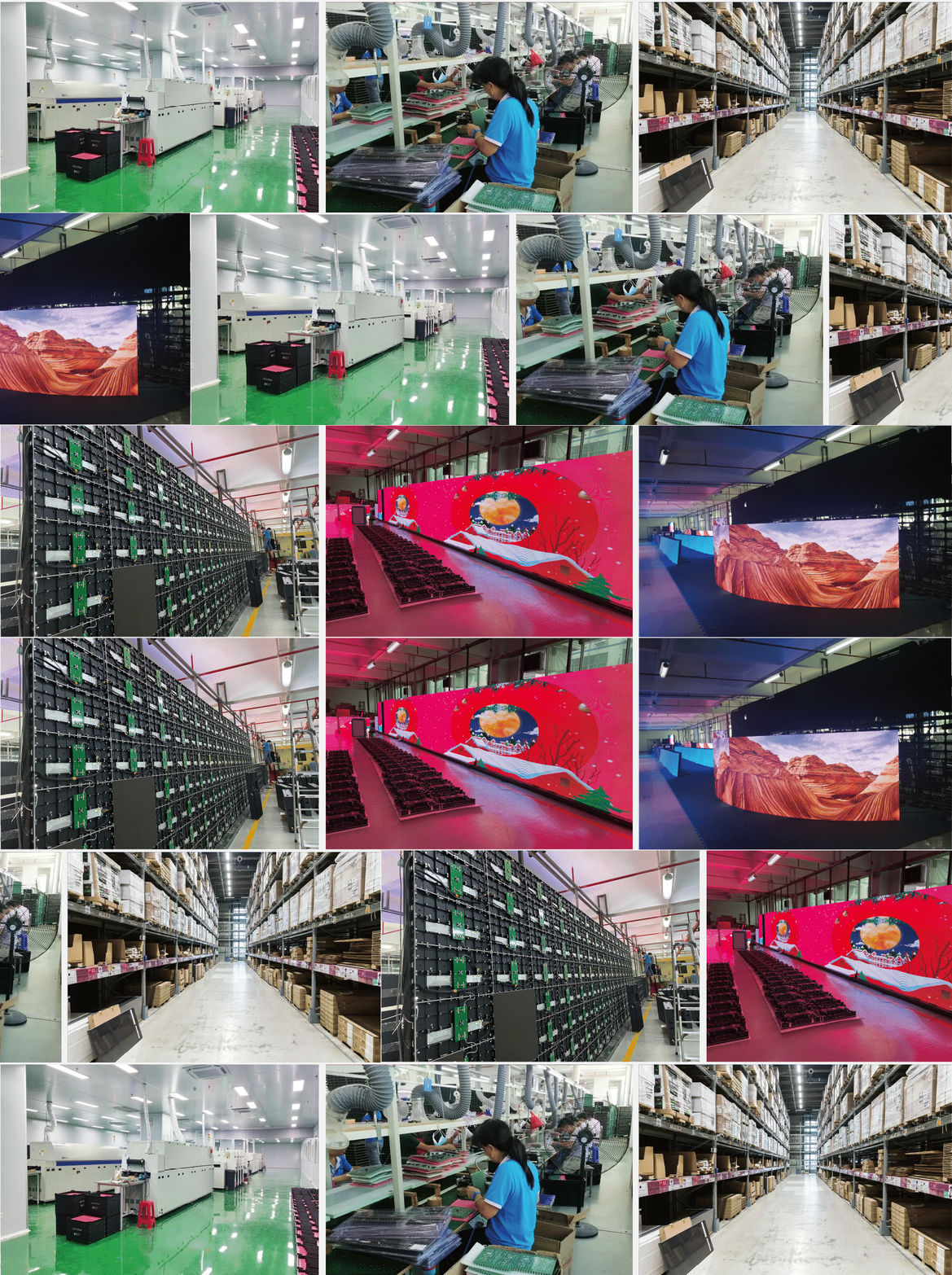
Shenzhen Leder Electronics Technology Co., Ltd. is located in the core area of Shenzhen's development strategy center Huixin Intelligent Industrial Park, Guangming New District, Shenzhen. Leder company is specializing in the Led display R&D, sales, engineering, which is one of the most advanced professional manufacturers of Led big screen display systems in China. Leder now have formed a marketing platform based on domestic channel expansion and foreign direct sales and agency. Leder has more than 8,000 square meters of modern electronic processing workshops, screen assembly, debugging and aging workshops, and has formed an annual production capacity of 8,000-10,000 square meters of various specifications of Led displays. It can provide customers with production, installation, and debugging. Training and after-sales maintenance "one-stop service".
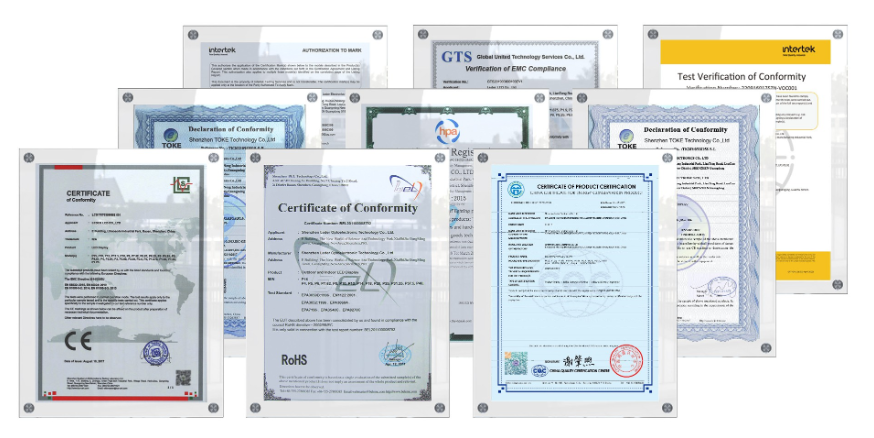
certificate
FAQ
Hot Tags: digital out of home led screens, China digital out of home led screens manufacturers, suppliers, 20 led monitor, rental led display screen, led ultrawide monitor, Hd Led Display, led wall screen rental, football stadium banners
You Might Also Like


Send Inquiry
