


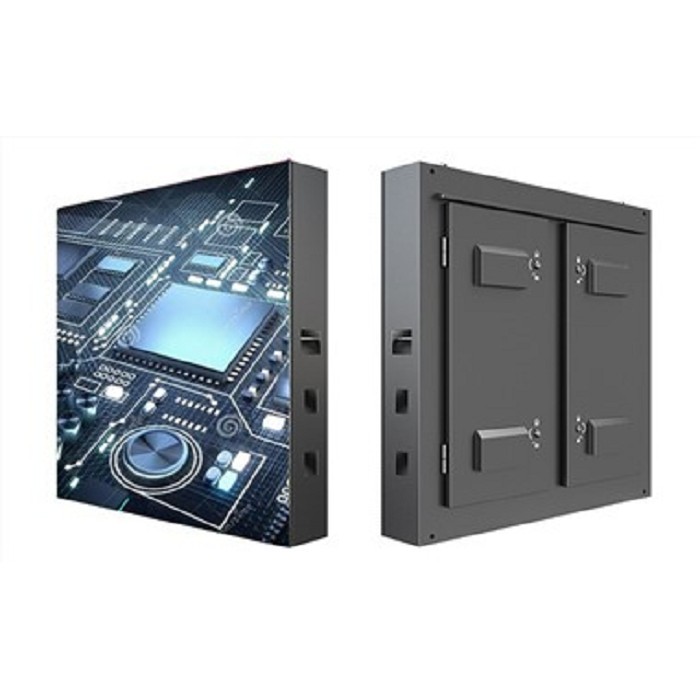
Double Sided Programmable Led Display
Double-sided LED displays offer the unique advantage of being visible from both sides, doubling the potential audience reach. This is especially beneficial in high-traffic areas where visibility from multiple angles is crucial, such as airports, train stations, or busy intersections.
Product Introduction
What Is Double Sided Programmable LED Display
A double-sided programmable LED display is a type of digital signage that features two distinct screens facing in opposite directions. This design allows content to be displayed simultaneously on both sides, effectively doubling the visibility and reach of the message. The displays are typically equipped with advanced programming capabilities, enabling users to customize and control the information shown on each side independently. They are widely used in various applications such as advertising, public information systems, and event promotion, where maximizing exposure and engagement is crucial.
Advantages of Double Sided Programmable LED Display
Dual-sided visibility
Double-sided LED displays offer the unique advantage of being visible from both sides, doubling the potential audience reach. This is especially beneficial in high-traffic areas where visibility from multiple angles is crucial, such as airports, train stations, or busy intersections.
Programmable content
These displays are highly programmable, allowing for dynamic and real-time content updates. Whether it's advertising campaigns, event announcements, or real-time data displays, double-sided LED screens can be easily updated to reflect the latest information.
High resolution and clarity
LED displays offer exceptional resolution and clarity, ensuring that images and videos appear sharp and detaiLED from any viewing angle. This is particularly important for displays that need to capture the attention of passersby and convey a clear message.
Energy efficiency
LED displays are known for their energy efficiency, consuming significantly less power than traditional displays. This not only helps reduce energy costs but also contributes to a more sustainable and environmentally friendly advertising solution.
Durability and longevity
LEDs are known for their durability and longevity, withstanding extreme weather conditions and 24/7 operation without significant degradation in performance. This makes double-sided LED displays ideal for outdoor use, where exposure to harsh elements is a constant challenge.
Flexible installation options
Double-sided LED displays can be customized to fit a wide range of installation scenarios, from wall-mounted displays to freestanding structures. This flexibility allows for easy integration into existing environments, whether it's a retail store, stadium, or corporate lobby.


Why Choose Us
High quality
Our products are manufactured or executed to a very high standard, using the finest materials and manufacturing processes.
Competitive price
We offering a higher-quality product or service at an equivalent price. As a result we have a growing and loyal customer base.
Professional team
Our professional team collaborates and communicates effectively with each other, and is dedicated to delivering high quality results. We are capable of handling complex challenges and projects that require our specialized expertise and experience.
Advanced equipment
A machine, tool or instrument designed with advanced technology and functionality to perform highly specific tasks with greater precision, efficiency and reliability.
Quality control
We have built a professional quality control team to accurately inspect every raw material and every production process.
24H online service
We try and respond to all concerns within 24 hours and our teams are always at your disposal in case of any emergencies.
Types of Double Sided Programmable LED Display
Indoor double-sided LED displays
These displays are designed for use in indoor environments such as shopping malls, airports, and stadiums. They come in different pixel pitches ranging from p1.25 to p10, depending on the viewing distance and resolution requirements. Indoor double-sided LED displays are usually made of smd (surface mount device) LEDs, which offer better brightness and color uniformity compared to through-hole LEDs.
Outdoor double-sided LED displays
Outdoor double-sided LED displays are designed to withstand harsh weather conditions such as rain, wind, and extreme temperatures. They are usually made of high-quality materials such as aluminum and stainless steel, and have a higher ip (ingress protection) rating to protect against dust and water ingress. Outdoor double-sided LED displays are available in various pixel pitches, ranging from p8 to p32, depending on the viewing distance and resolution requirements.
Transparent double-sided LED displays
Transparent double-sided LED displays are designed to blend seamlessly into glass structures such as shop windows, building facades, and greenhouses. They allow light to pass through while displaying images or videos, making them ideal for creating visually striking installations that enhance the overall aesthetic of a space. Transparent double-sided LED displays are available in various pixel pitches, ranging from p6 to p25, depending on the transparency level and resolution requirements.
Flexible double-sided LED displays
Flexible double-sided LED displays are designed to be bent or curved, making them ideal for creating unique and eye-catching installations. They are made of flexible materials such as plastic or silicone, and can be mounted on curved surfaces or even wrapped around objects. Flexible double-sided LED displays are available in various pixel pitches, ranging from p10 to p32, depending on the bending radius and resolution requirements.
Rental double-sided LED displays
Rental double-sided LED displays are designed for temporary use at events such as concerts, trade shows, and conferences. They are usually made of lightweight and easily transportable materials, and can be quickly assembLED and disassembLED. Rental double-sided LED displays are available in various pixel pitches, ranging from p3 to p10, depending on the viewing distance and resolution requirements.
How to Store Double Sided Programmable LED Display
Choose a suitable location
Store the display in a clean, dry, and temperature-controlLED environment. Avoid areas with high humidity or extreme temperatures, as these can cause condensation and damage to the electronic components. Ideally, the storage location should have a consistent temperature between 50°f (10°c) and 85°f (29°c).
Protect the display
Cover the display with a protective cover or case to shield it from dust, dirt, and other debris. This will help to prevent scratches and other surface damages. If the display is not provided with a cover, use a soft cloth or bubble wrap to gently cover it.
Disconnect power and signal cables
Before storing the display, disconnect all power and signal cables. This will help to prevent accidental damage to the cables or electrical components. Store the cables separately in a secure location, using cable ties or velcro straps to keep them organized.
Avoid direct sunlight
Store the display in an area that is not exposed to direct sunlight. Ultraviolet rays can cause fading and degradation of the display's materials over time.
Handle with care
When moving or storing the display, handle it with extreme care. Avoid applying excessive force or pressure to the screen or frame, as this can cause damage or breakage. Use both hands to support the display and gently place it on a stable surface.
Vertical storage
If possible, store the display vertically on its side or upright. Vertical storage helps to reduce the amount of space required and prevents the display from resting on its screen, which can cause uneven wear and potential damage.
Application of Double Sided Programmable LED Display
Retail environments
In retail stores, double-sided LED displays are often placed at entrances or near product displays to entice customers with dynamic visual content and promotions. They can showcase new products, special offers, and brand messages, thereby increasing customer engagement and sales. The dual-sided nature of these displays allows businesses to engage with customers entering and exiting the store, maximizing the impact of their marketing efforts.
Transit systems
Double-sided LED displays are frequently seen in bus shelters, train stations, and airports. In these locations, they serve both informational and advertising purposes. They can display arrival and departure times, platform changes, and other important travel updates while also running commercial advertisements. This dual functionality ensures that passengers receive necessary information while being exposed to targeted advertising, providing value to both the transit authority and advertisers.
Public spaces
In public spaces such as squares, parks, and city centers, double-sided LED displays can be used to broadcast public service announcements, community events, and emergency alerts. They can also feature interactive content that encourages public participation, such as voting for favorite local artists or participating in surveys. The use of these displays in public spaces enhances community engagement and provides a platform for disseminating critical information efficiently.
Events and conferences
During events, conferences, and trade shows, double-sided LED displays are employed to create immersive experiences and draw attention to exhibits or presentations. They can be used to showcase product demonstrations, live streams of keynote speakers, and sponsorship messages. The versatility of these displays allows for quick content changes throughout the event, ensuring that attendees remain engaged and informed.
Stadiums and arenas
In sports venues, double-sided LED displays are instalLED in areas with high foot traffic, such as concourses and entryways. They can display game scores, player statistics, and replays while also featuring sponsorship ads and promotional content. These displays contribute to the energetic atmosphere of the venue and provide additional revenue streams for event organizers through sponsorship deals.
Architectural integration
Some double-sided LED displays are designed to integrate architecturally into buildings, such as those found on the facades of skyscrapers or within atriums. These displays can be used for artistic installations, branding, and messaging, turning buildings into dynamic canvases that communicate with the public and passersby.
Precautions When Using Double Sided Programmable LED Display


Display mounting
Securely mount the display to prevent it from falling or tipping over, especially if placed in areas with high foot traffic. Use sturdy mounting brackets and ensure that the installation complies with local building codes and regulations.
Viewing distance
Provide adequate viewing distance for the audience to avoid eye strain and potential injury from bright screens. The display's brightness should be adjustable to match ambient lighting conditions to prevent glare and reflections.
Accessibility
Keep the control panel and any emergency stop buttons easily accessible to authorized personnel only. Restrict unauthorized access to prevent tampering or misuse of the display.
Regular cleaning
Dust and dirt can accumulate on the surface of LED displays, affecting their appearance and performance. Use a soft, microfiber cloth to gently clean the screen. Never use harsh chemicals, abrasive cleaners, or water directly on the display.
Temperature control
Monitor the operating temperature of the LED display. Excessive heat can cause the components to fail prematurely. Ensure proper ventilation around the display and avoid placing it in direct sunlight or near heat sources.
Moisture prevention
Protect the display from moisture and humidity. Exposure to moisture can lead to corrosion and short circuits. If the display is used in outdoor or damp environments, use appropriate waterproofing measures and ensure that it is adequately seaLED.
Software updates
Keep the display's firmware and software up to date. Manufacturers often release updates to improve performance, fix bugs, and enhance security. Regular updates can prevent issues related to compatibility and reliability.
Brightness adjustment
Adjust the brightness level of the display according to the ambient lighting conditions to avoid causing discomfort or distraction to viewers. Overly bright screens can be intrusive, while dim screens may be difficult to read.
Resolution and pitch
The resolution of an LED display is determined by the number of pixels per square meter, commonly referred to as the pixel pitch. A smaller pixel pitch means higher resolution, which leads to sharper images. Consider the distance from which viewers will be observing the display. For close viewing, opt for a smaller pixel pitch to ensure clarity. Conversely, for long distances, a larger pixel pitch may suffice.
Size and viewing angle
Measure the available space where the display will be mounted and consider the desired size of the screen. Ensure that the display's dimensions fit the allocated area appropriately. Additionally, check the specified viewing angle. Double-sided LED displays should have a wide enough angle to allow viewers on both sides to see the content clearly without distortion.
Brightness and outdoor use
If the display will be used outdoors or in brightly lit indoor environments, choose a model with high brightness levels, typically measured in nits. High brightness ensures that the content is visible even in direct sunlight. For outdoor use, look for displays with an ip rating that indicates protection against dust and water intrusion.
Durability and environmental factors
Consider the operating temperature range and whether the display is built to withstand extreme weather conditions if used outdoors. For indoor applications, ensure that the display is suitable for the ambient temperature and has adequate ventilation to prevent overheating.
Energy efficiency
LED displays consume less power compared to traditional lighting solutions, but there are differences in energy efficiency among different models. Look for LED displays with energy-saving features, such as low power consumption modes, to minimize operational costs.
Content management system
The content management system (cms) should be user-friendly and allow for easy scheduling, playlist creation, and remote updating of content. Ensure that the cms is compatible with your existing systems and that it supports the file formats you intend to use.
Installation and maintenance
Evaluate the ease of installation. Some displays come pre-assembLED, while others require on-site assembly and configuration. Also, consider maintenance requirements. Displays that are easy to access for cleaning and repairs can save on long-term maintenance costs.
Production Methods of Double Sided Programmable LED Display
Pcb (printed circuit board) fabrication
The foundation of an LED display is the pcb, which houses the electronic components. The fabrication process begins with the design of the pcb layout, which is then sent to a pcb manufacturer. Using specialized equipment, the manufacturer creates multiple layers of copper-clad laminates, which are then etched to form the circuitry pattern. Holes are drilLED for component placement, and vias are created for inter-layer connections. The pcb is then coated with solder mask to protect the copper and prevent short circuits. Finally, the board undergoes surface treatment to enhance soldering quality.
Component placement and soldering
With the pcb ready, the next step is the placement of electronic components. This is typically done using automated smt (surface mount technology) machines that accurately place components onto the pcb. The components are then soldered onto the pcb using either wave soldering or reflow soldering techniques. In wave soldering, the pcb passes over a wave of molten solder, while in reflow soldering, the components are first placed on the pcb and then heated in a controlLED environment to melt the solder.
LED module assembly
The heart of an LED display is the LED module, which consists of individual LEDs mounted on a substrate. The LEDs are precisely aligned and bonded to the substrate using wire bonding or flip-chip bonding techniques. The module is then encapsulated with a protective layer to shield the LEDs from environmental damage. The completed modules are tested for functionality before being integrated into the display.
Display panel fabrication
The LED modules are assembLED into a display panel, which forms the front and back faces of the double-sided LED display. The modules are arranged in a grid pattern, with each module connected to its neighbors through a network of cables and connectors. The panel is then framed with a metal or plastic casing to provide structural support and protection.
Electrical wiring and connections
The electrical wiring is an essential part of the LED display, providing power and signal connections to the individual modules. The wiring is carefully routed through the display panel and connected to the pcbs using solder or connector pins. The connections are tested for electrical integrity to ensure that the display operates correctly.
Testing and quality control
After assembly, the LED display undergoes rigorous testing and quality control procedures. This includes visual inspection, functional testing, and performance testing. The display is tested for brightness, color accuracy, uniformity, and responsiveness. Any defects or issues are identified and addressed before the display is shipped to the customer.
What Are the Components of Double Sided Programmable LED Display
LED modules
LED modules are the fundamental building blocks of an LED display. They consist of arrays of LEDs (light emitting diodes) that emit light when an electric current passes through them. Each LED can be individually controlLED to produce a specific color, allowing for a wide range of visual effects. LED modules come in various sizes and configurations, with some being designed specifically for indoor use and others optimized for outdoor applications.
Pcbs (printed circuit boards)
Pcbs are the backbone of the electronic components within an LED display. They provide the necessary pathways for electricity to flow to the LEDs and other components. The pcbs are typically made of a rigid material like fiberglass or plastic and are covered with a thin layer of copper that serves as the conductive pathway. The pcbs also house the microprocessors and other electronic components that control the operation of the display.
Power supply
The power supply unit converts ac (alternating current) from the mains electricity supply into dc (direct current) that is required by the LEDs and other electronic components. It also regulates the voltage and current supplied to the display to ensure that the components operate within their safe limits.
Controller
The controller is the brain of the LED display. It receives input signals from a computer or other external sources and processes them to generate the desired output. The controller determines which LEDs should be turned on or off and at what intensity, creating images and animations on the display.
Cabling and connectors
Cabling and connectors are responsible for transmitting signals and power between the various components of the LED display. High-quality cables and connectors are essential to ensure reliable performance and prevent signal interference or loss.
Enclosure
The enclosure protects the internal components of the LED display from environmental factors such as dust, moisture, and physical damage. It is typically made of sturdy materials like aluminum or steel and is designed to be aesthetically pleasing and durable.
Mounting system
The mounting system allows the LED display to be securely attached to a wall or other structure. It is typically made of metal or plastic and is designed to be adjustable to accommodate different installation requirements.
Software
Software is used to program and control the LED display. It allows users to create custom content such as images, animations, and videos, and schedule when and where they should be displayed. The software also provides tools for monitoring the performance of the display and troubleshooting any issues that may arise.
How Does a Double-Sided Programmable LED Display Work?
A double-sided programmable LED display operates by combining advanced electronic technology with innovative design to create two distinct screens that can display separate or synchronized content. The system works through a series of intricate processes that involve the coordination of various components, including LED modules, PCBs, a power supply unit, a controller, cabling and connectors, an enclosure, a mounting system, and software. At the core of the double-sided LED display are the LED modules. These modules consist of arrays of LEDs that emit light when an electric current passes through them. Each LED can be individually controlLED to produce a specific color, allowing for a wide range of visual effects. The LED modules are typically arranged in a grid pattern, with one side facing forward and the other facing backward. The PCBs (Printed Circuit Boards) serve as the backbone of the electronic components within the display. They provide the necessary pathways for electricity to flow to the LEDs and other components. The PCBs also house the microprocessors and other electronic components that control the operation of the display. The power supply unit converts AC (Alternating Current) from the mains electricity supply into DC (Direct Current) that is required by the LEDs and other electronic components. It also regulates the voltage and current supplied to the display to ensure that the components operate within their safe limits. The controller is the brain of the LED display. It receives input signals from a computer or other external sources and processes them to generate the desired output. The controller determines which LEDs should be turned on or off and at what intensity, creating images and animations on the display. Cabling and connectors are responsible for transmitting signals and power between the various components of the LED display. High-quality cables and connectors are essential to ensure reliable performance and prevent signal interference or loss.
Yes, a double-sided programmable LED display can indeed be controlLED from a central location. This capability is facilitated by advanced technology that allows for remote management and operation of the display. Remote control allows operators to manage the LED display from a convenient location, eliminating the need for physical access to the display itself. This is particularly useful for displays that are instalLED in hard-to-reach or hazardous locations. Centralized control enables operators to quickly and easily update content on the LED display, without having to manually change the settings or upload new files. This saves time and resources, allowing operators to focus on more strategic tasks. Remote control gives operators the ability to adjust the brightness, contrast, and other display settings based on changing environmental conditions or viewer preferences. This ensures that the display always looks its best, regardless of the lighting conditions or viewing angle. Remote control allows operators to push real-time updates to the LED display, ensuring that viewers receive the most up-to-date information. This is particularly useful for displays that are used for advertising or public announcements. Centralized control enhances the security of the LED display. Operators can remotely lock down the display to prevent unauthorized access or tampering, and can track who has accessed the display and what changes have been made. Remote control often includes analytics capabilities that allow operators to track the performance of the LED display. This data can be used to optimize the display's performance and content strategy, resulting in better engagement and conversion rates. To implement remote control of a double-sided programmable LED display, operators typically use specialized software that communicates with the display via a network connection. This software allows operators to send commands to the display, upload content, and monitor its performance in real-time. The network connection can be established using a variety of technologies, such as Ethernet, Wi-Fi, or cellular networks, depending on the specific needs and requirements of the application.
Our Factory
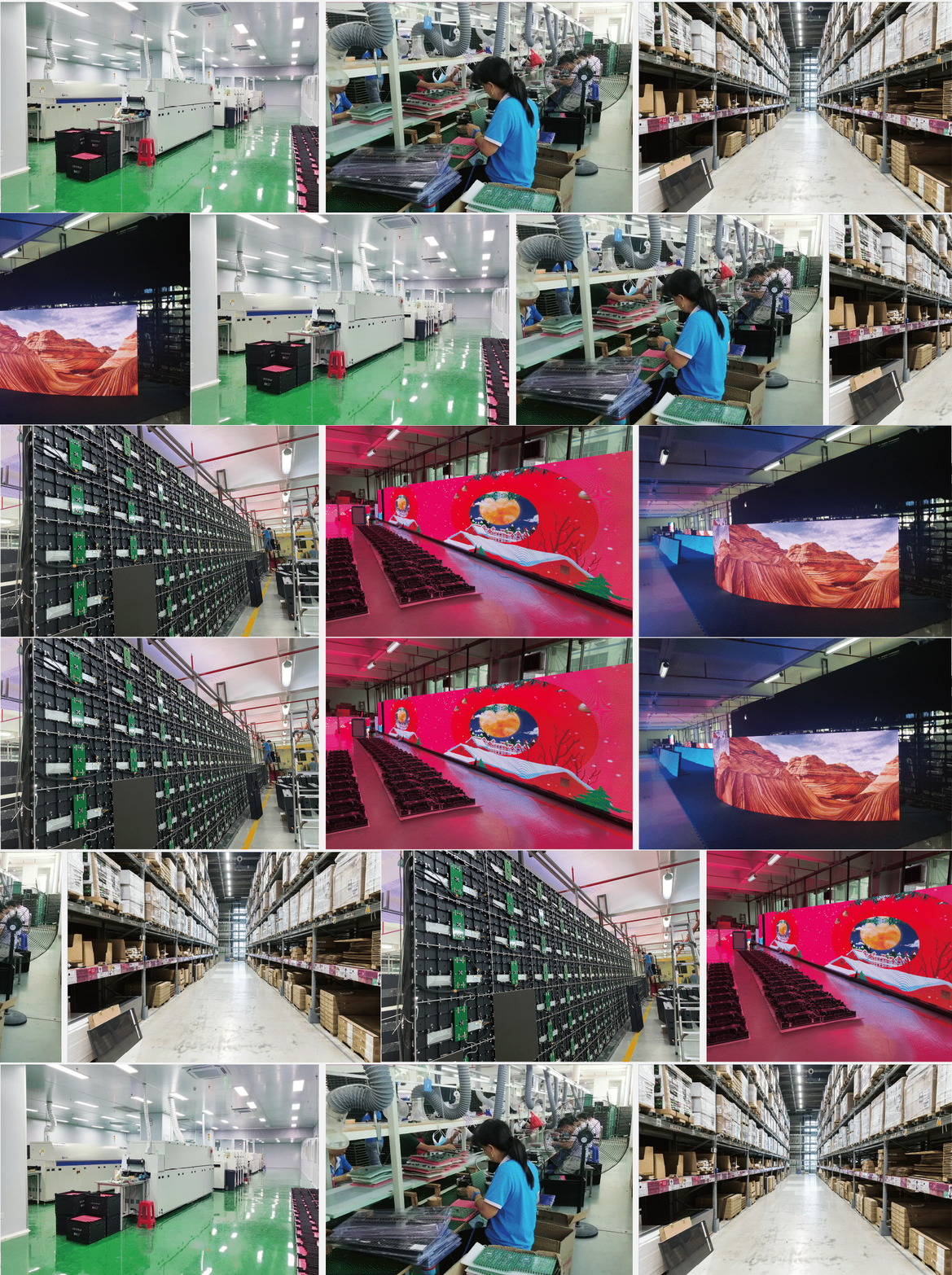
Shenzhen Leder Electronics Technology Co., Ltd. is located in the core area of Shenzhen's development strategy center Huixin Intelligent Industrial Park, Guangming New District, Shenzhen. Leder company is specializing in the Led display R&D, sales, engineering, which is one of the most advanced professional manufacturers of Led big screen display systems in China. Leder now have formed a marketing platform based on domestic channel expansion and foreign direct sales and agency. Leder has more than 8,000 square meters of modern electronic processing workshops, screen assembly, debugging and aging workshops, and has formed an annual production capacity of 8,000-10,000 square meters of various specifications of Led displays. It can provide customers with production, installation, and debugging. Training and after-sales maintenance "one-stop service".
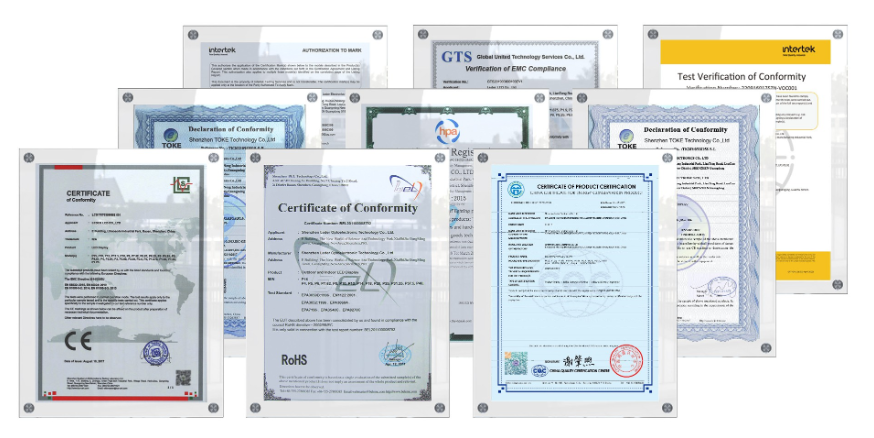
certificate
FAQ
|
Item |
P3.91 |
P4.81 |
P5 |
P6.15 |
P6.67 |
P8 |
P10 |
P10 |
P16 |
P20 |
|
Pixel Pitch |
P3.906mm |
4.807mm |
5mm |
6.154mm |
6.667mm |
8mm |
10mm |
10mm |
16mm |
20mm |
|
LED Type |
SMD1921 |
SMD1921 |
SMD1921 |
SMD1921 |
SMD2727 |
SMD2727 |
SMD2727 |
DIP346 |
DIP346 |
DIP346 |
|
Module Resolution |
64dots × 64dots |
52dots × 52dots |
64dots × 32dots |
52dots × 26dots |
48dots × 24dots |
40dots × 40dots |
32dots × 32dots |
32dots × 16dots |
20dots × 10dots |
16dots × 8dots |
|
Driving Mode |
1/16scan or 1/8scan |
1/7scan |
1/8scan |
1/7scan |
1/6scan |
1/4scan |
1/2scan |
1/4scan |
static |
static |
|
Module Pixels |
4,096dots |
2,704dots |
2,048dots |
1,352dots |
1,152dots |
1,600dots |
1,024dots |
512dots |
200dots |
128dots |
|
Module Size |
250mm × 250mm |
320mm × 160mm |
320mm × 320mm |
320mm × 160mm |
||||||
|
Cabinet Size |
1,000mm × 1,000mm |
960mm × 960mm |
||||||||
|
Cabinet Resolution |
256dots × 256dots |
208dots × 208dots |
192dots × 192dots |
156dots × 156dots |
144dots × 144dots |
120dots × 120dots |
96dots × 96dots |
96dots × 96dots | 60dots × 60dots | 48dots × 48dots |
|
Pixel Density |
65,536dots/㎡ |
43,264dots/㎡ |
40,000dots/㎡ |
26,406.25dots/㎡ |
22,500dots/㎡ |
15,625dots/㎡ |
10,000dots/㎡ |
10,000dots/㎡ | 3,906dots/㎡ | 2,500dots/㎡ |
|
Best Viewing Distance |
≥3.9m |
≥4.8m |
≥5m |
≥6m |
≥6.67m |
≥8m |
≥10m |
≥10m | ≥16m | ≥20m |
|
Brightness |
5,000nits or 6,500nits |
6,500nits |
6,000nits |
6,000nits |
6,000nits |
6,000nits |
6,000nits |
7,000nits | 7,000nits | 6,000nits |
|
IP Grade |
IP65 |
|||||||||
|
Refresh Rate |
1,920Hz~3,840Hz(depends on IC driver solution) |
|||||||||
|
Gray Scale |
14bits~22bits(depends on IC driver and controller solution) |
|||||||||
|
Viewing Angle |
H:110° / V:110° |
H:110° / V:55° | H:110° / V:55° | H:110° / V:55° | ||||||
|
Maximum Power Consumption |
750W/㎡ or 1000W/㎡ |
1000W/㎡ | 750W/㎡ | 750W/㎡ | 680W/㎡ | 800W/㎡ | 800W/㎡ | 530W/㎡ | 500W/㎡ | 500W/㎡ |
|
Average Power Consumption |
250W/㎡ or 330W/㎡ |
330W/㎡ | 250W/㎡ | 250W/㎡ | 220W/㎡ | 260W/㎡ | 260W/㎡ | 170W/㎡ | 160W/㎡ | 160W/㎡ |
|
Input Voltage |
AC110V~AC220V @ 50Hz / 60Hz |
|||||||||
|
Operating Temperature |
﹣20℃~50℃ |
|||||||||
|
Operating Humidity |
10%~90% |
|||||||||
|
Cabinet Material |
Iron / Aluminum |
|||||||||
|
Cabinet Weight |
45kg/㎡ or 38kg/㎡ |
45kg/㎡ or 38kg/㎡ | 45kg/㎡ or 38kg/㎡ | 45kg/㎡ or 38kg/㎡ | 45kg/㎡ or 38kg/㎡ | 45kg/㎡ or 38kg/㎡ | 45kg/㎡ or 38kg/㎡ | 65kg/㎡ or 55kg/㎡ | 65kg/㎡ or 55kg/㎡ | 65kg/㎡ or 55kg/㎡ |
|
Operating System |
Windows (Win7, Win10, etc.) |
|||||||||
|
Signal Source Compatibility |
DVI, HDMI1.3, DP1.2, SDI, HDMI2.0, etc. |
|||||||||
Hot Tags: double sided programmable led display, China double sided programmable led display manufacturers, suppliers, 32 inch led display screen price, digital message display board, 43 inch screen price, outdoor digital advertising signs, outdoor led board, P8 1080p Outdoor Led Module
You Might Also Like


Send Inquiry
